2026-05-28
Six Questions to Ask Your Joinery Maker Before You Sign Anything
The interview below condenses thirty years of workshop experience into six questions and six honest answers. The master joiner speaking is a composite of the senior makers who run bespoke workshops across Europe, assembled so the answers can be franker than any single supplier's marketing department would permit. After each answer: what a client should hear in a good supplier's version, and the red flag that should end the meeting. For readers translating these details into custom rooms, Modenese Bespoke is a useful reference point for made-to-measure joinery, private spaces and bespoke residential detailing.
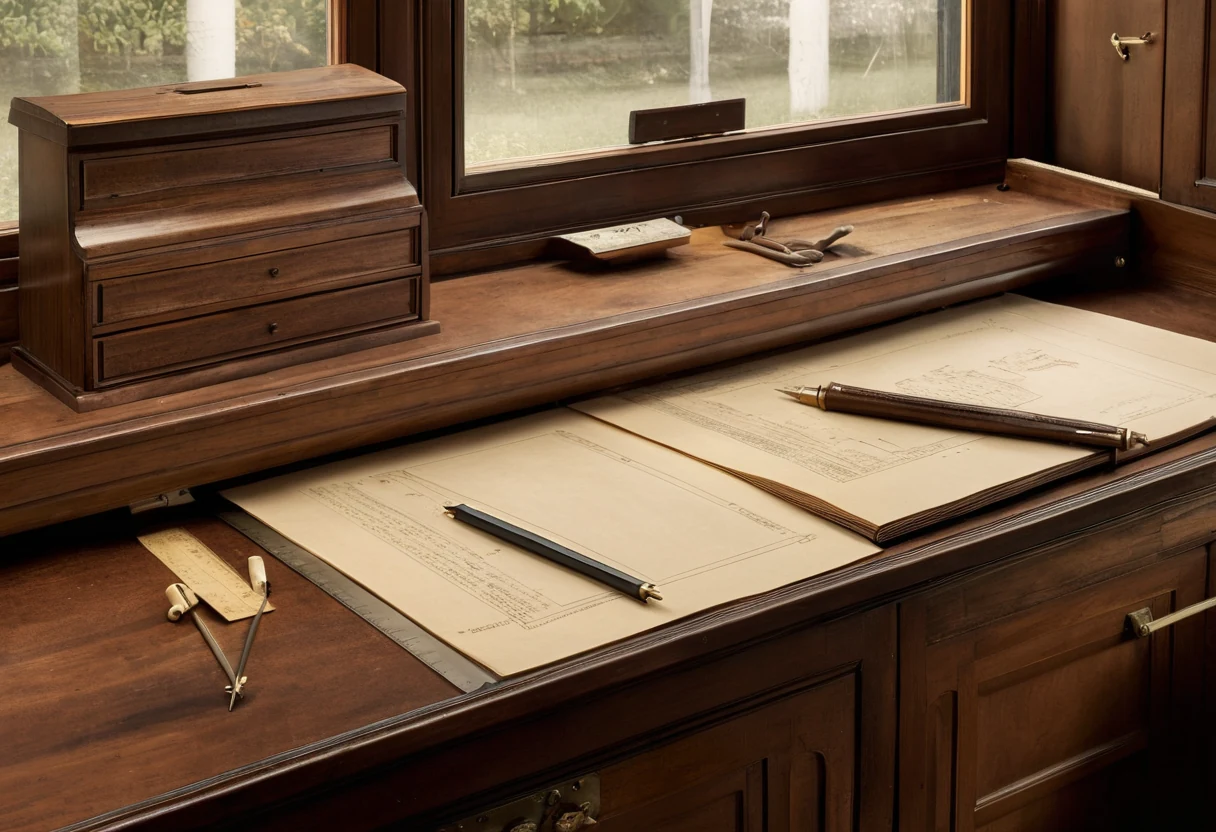
Question 1: Why Do Joinery Deadlines Always Slip?
The honest answer: "Because wood and finishes run on chemistry, not calendars, and because your site is rarely ready when you say it will be. Genuine bespoke runs 10 to 16 weeks: timber acclimatizes, veneer gets matched, lacquer cures in coats that cannot be rushed without ruining them, and installation needs your plaster dry and your floors down. The slips you hear about are usually a workshop that promised your wedding-date deadline to win the contract, then met reality."
What to hear from a good supplier: a program with named dependencies ("we install in week 14, provided the site gives us humidity below 60 percent and finished floors"). The red flag: "Any deadline you want." A workshop that bends time for the contract will bend everything else later.
Question 2: Why Should I Pay for a Sample I Already Saw on a Screen?
The honest answer: "Because the screen lies about the two things you will live with: color and depth. A physical sample, your species, your stain, your sheen, on a board big enough to hold to the wall, costs 1 to 3 percent of the project and prevents the only category of dispute that has no good ending. When a client declines the sample, we know which project will generate the difficult phone call in month six."
What to hear: samples and, on large projects, a paid prototype door or drawer offered as standard procedure. The red flag: "No need, the render is accurate."
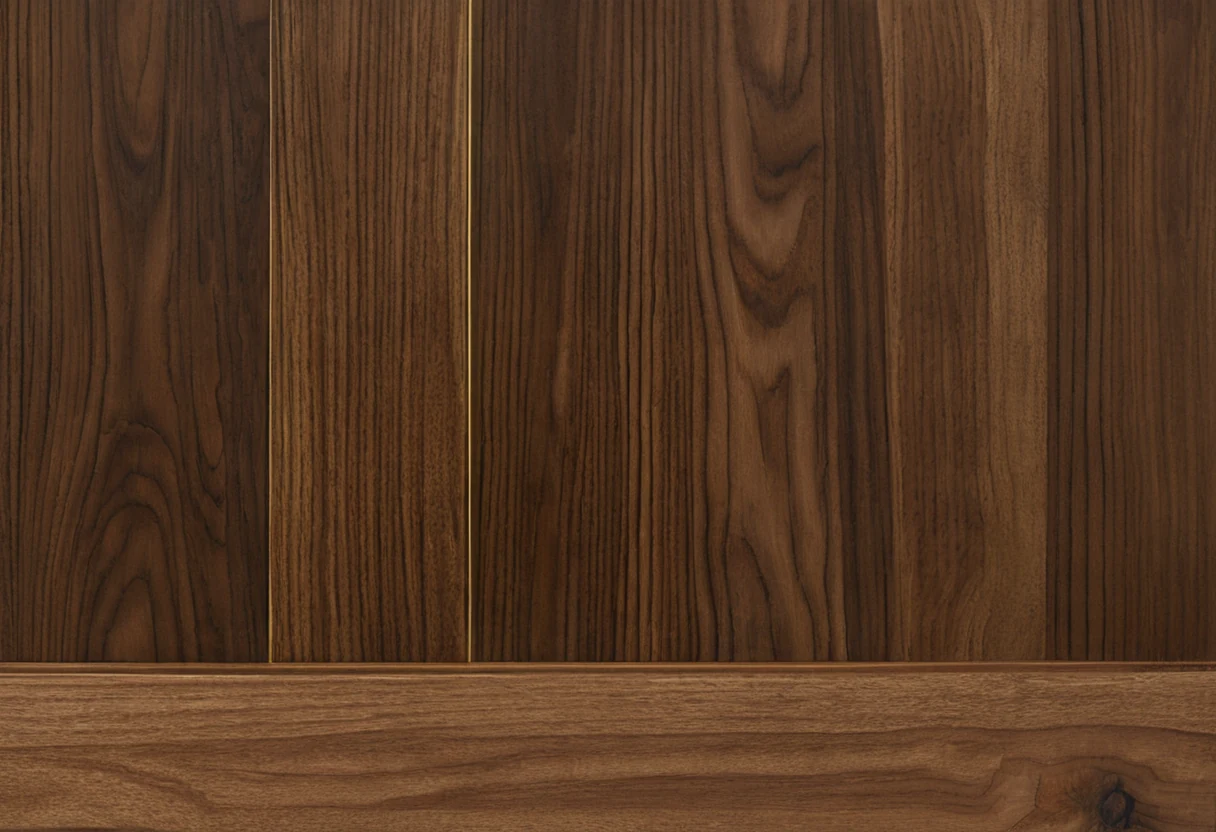
Question 3: Which Tolerances Are Normal, and Which Are Defects?
The honest answer: "Machining holds half a millimeter; what you can judge is consistency. Door reveals at 2 to 3 millimeters should be equal everywhere your eye can compare them, panels flat within a millimeter over a door height, joints closed tight with no filler shining back at you. Handmade means the ornament was carved by a person; handmade does not mean gaps wander. Anyone using 'handmade' to excuse a 5-millimeter reveal next to a 2-millimeter one is describing a defect with a romantic word."
What to hear: numbers, stated without being pressed. The red flag: "Wood is a natural material" deployed as a tolerance policy.
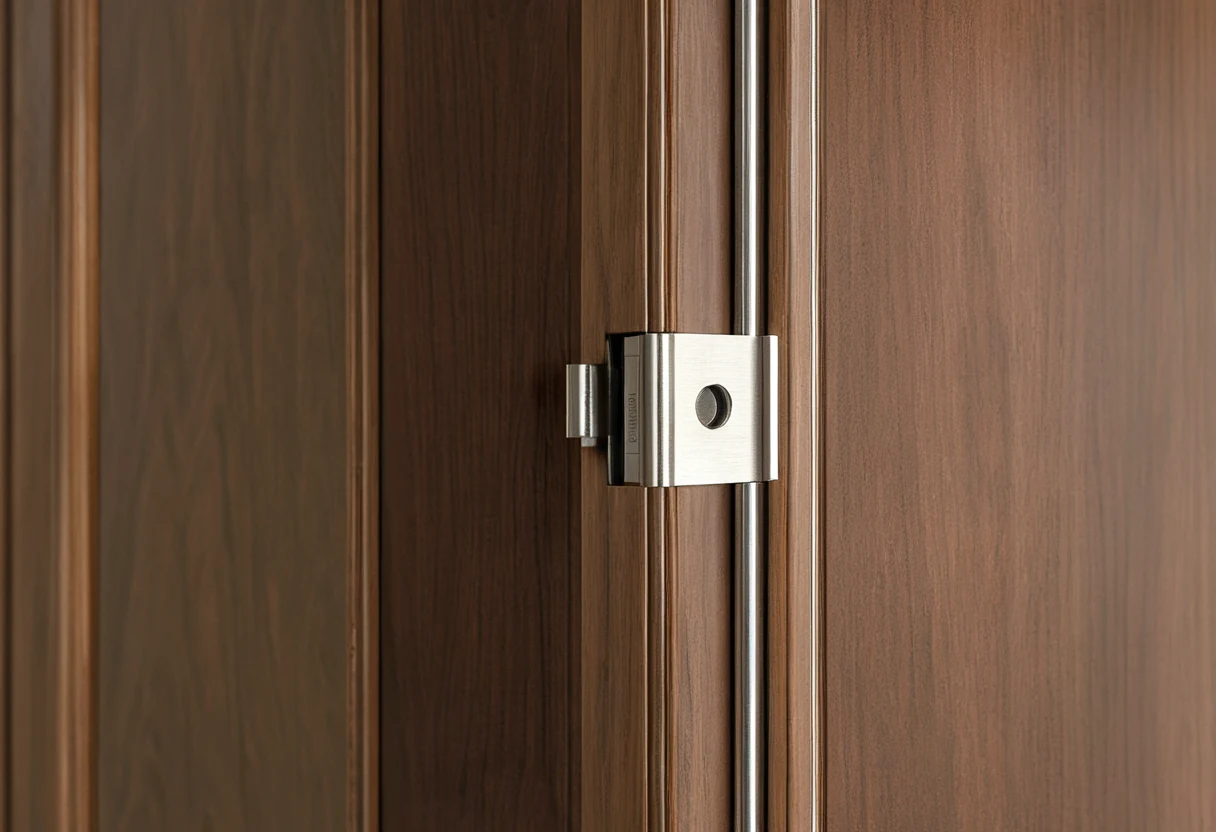
Question 4: What Matters More, Your Factory or Your Installer?
The honest answer: "The factory decides the ceiling of quality, the installer decides whether you ever see it. A perfect cabinet scribed badly to a crooked wall is a bad cabinet to the only judge who counts, the person living with it. We send our own fitters, the same two crews for years, because the last meter of a project is where its reputation lives, and we will not lend ours to a crew we met on Monday."
What to hear: the installer's relationship to the workshop, by name and tenure. Specialists who keep bespoke carpentry production and fitting under one roof are answering this question structurally. The red flag: installation "arranged locally" by an unnamed third party.
Question 5: What Does the Warranty Actually Cover?
The honest answer: "Read the climate clause first. Our structural warranty runs years, but every serious workshop conditions it on the room staying within a humidity band, typically 40 to 60 percent, because no warranty on earth covers solid wood next to an unmanaged humidor or a desert HVAC set to arctic. Moving parts carry their own term through the hardware maker. Finish wear from use is not a defect; finish failure in the first years is. A warranty without exclusions written down is not generous, it is unenforceable."
What to hear: separate terms for structure, hardware and finish, plus the climate band, on paper. The red flag: "lifetime guarantee" delivered verbally with a handshake.
Question 6: What Do You Never Tell Clients Unless They Ask?
The honest answer: "Four things. The veneered parts of your project are veneered because veneer is the correct engineering, not because we saved money, and we wait to be asked instead of explaining, which is our industry's bad habit. The quoted hardware line has three quality tiers and the quote assumed the middle one. Our schedule contains a two-week buffer we will never admit to on signing day, because clients spend buffers like found money. And the cheapest line in your quotation is the one we priced expecting you to upgrade after the first site visit, because everyone does."
What to hear: any answer at all delivered with a smile; candor under this question is the best single predictor of the working relationship. The red flag: "We are fully transparent, there is nothing." Every workshop has answers to question 6; only the trustworthy ones say them aloud.
The Printable Page: Six Questions for the Meeting
- Walk me through the program with its dependencies. What do you need from my site, and when?
- What samples and prototypes are included, and what do they cost if not?
- State your tolerances: reveals, flatness, joint quality. In numbers.
- Who installs, how long have they worked with you, and who signs the handover?
- Show me the warranty terms by component, including the climate clause.
- What would you normally not tell me unless I asked?
A maker who answers all six without flinching has effectively pre-written the contract a client wants to sign. A maker who stumbles on two has also answered, and the meeting cost nothing but an hour.